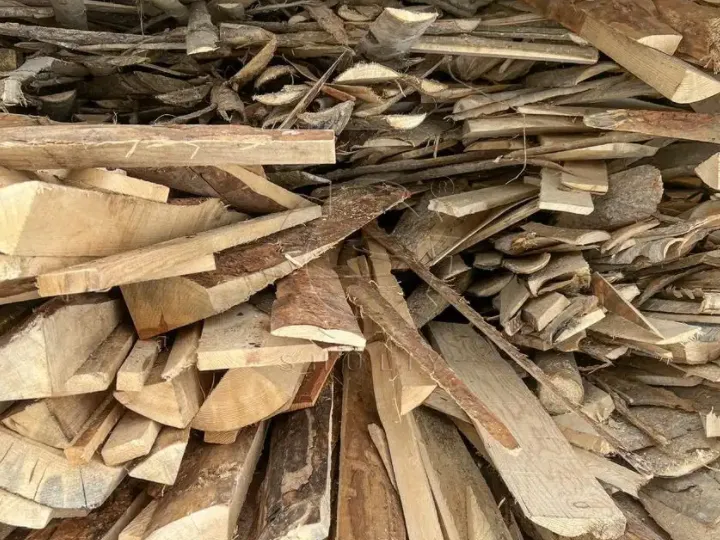
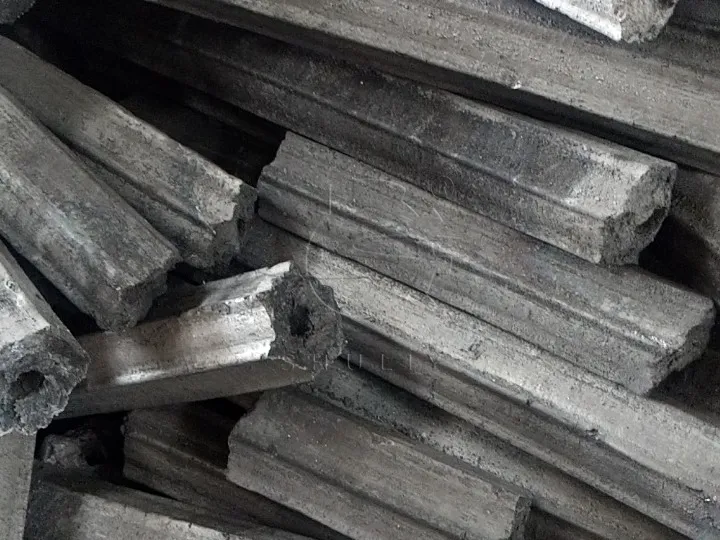
Every year, mountains of sawmill offcuts, tree branches, coconut shells and bamboo ends are burned or dumped — while charcoal buyers around the world are paying a premium for clean-burning, high-calorific fuel. A charcoal making machine closes that gap. It converts low-cost biomass waste into machine-made charcoal rods that ignite easily, burn for hours without smoke, and sell steadily in BBQ, heating, and industrial markets.
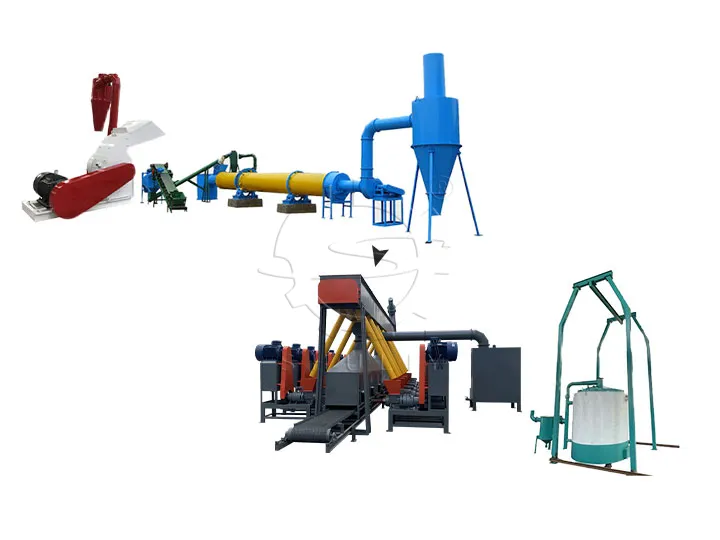
Shuliy’s charcoal making machine line is an integrated system that covers every stage of this transformation: crushing, drying, briquetting and carbonization. One line, configured around your raw material and budget, takes you from loose wood waste to market-ready charcoal — with capacities from 2 to 10 tons per day.
Charcoal Production Line Working Video
Why Charcoal Is One of the Most Practical Recycling Businesses
Before looking at the machines, it helps to understand why the charcoal making machine business attracts so many investors:
- The raw material is almost free. Sawdust, branches, husks, and shells are by-products that sawmills, furniture workshops, and farms are happy to give away or sell cheaply.
- The output sells twice. One ton of finished machine-made charcoal typically requires only 3–4 tons of raw biomass — and the final product sells in energy units, not weight, which is exactly where the margin comes from.
- Demand is global and stable. Barbecue culture in Europe and the Americas, winter heating markets, and industrial uses such as metallurgy all consume charcoal year-round.
- The process pays for itself. During carbonization, the gas released by the wood is captured and reused as fuel for the furnace itself, so running costs stay low once the line reaches working temperature.
For entrepreneurs planning a charcoal making plant, these four factors explain the appeal: low input costs, high value-added output, and a production process that largely funds its own energy consumption.
What Raw Materials Can the Charcoal Making Machine Process?
The line accepts virtually any lignin-containing biomass:
- Wood-based: logs, tree branches, furniture scraps, sawdust, wood shavings, waste plywood edges
- Bamboo: whole bamboo and bamboo processing waste
- Agricultural residues: rice husk, corn cob, cotton stalk, peanut shell, palm kernel shell
- Hard shells: coconut shell and other nut shells
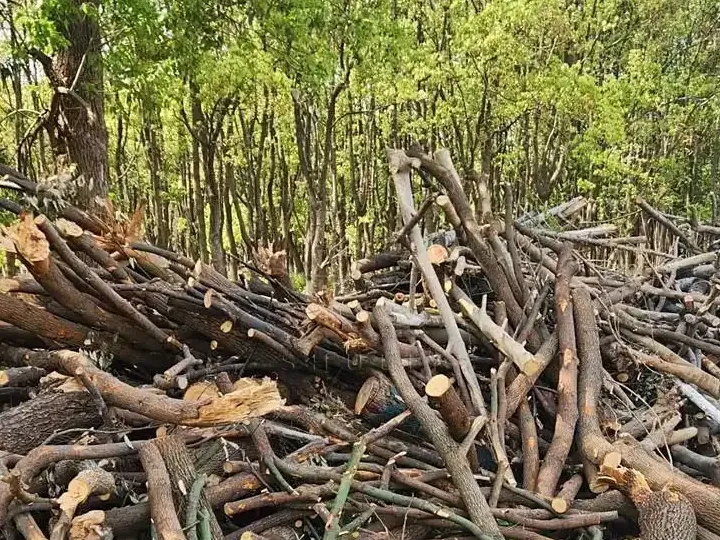
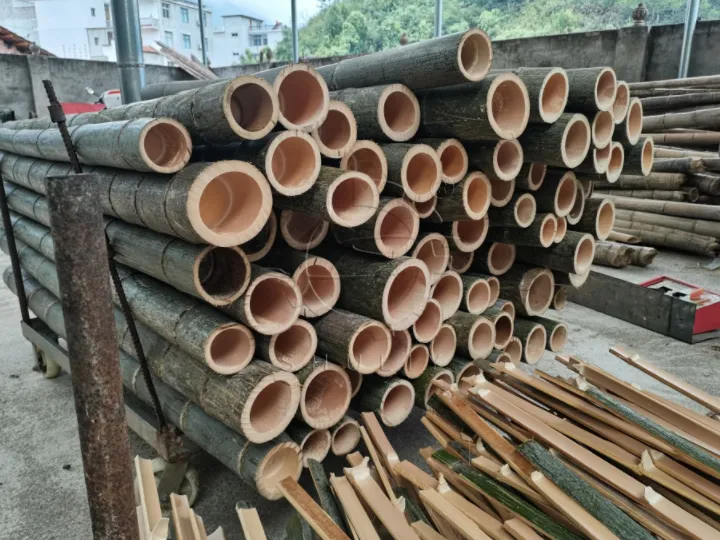
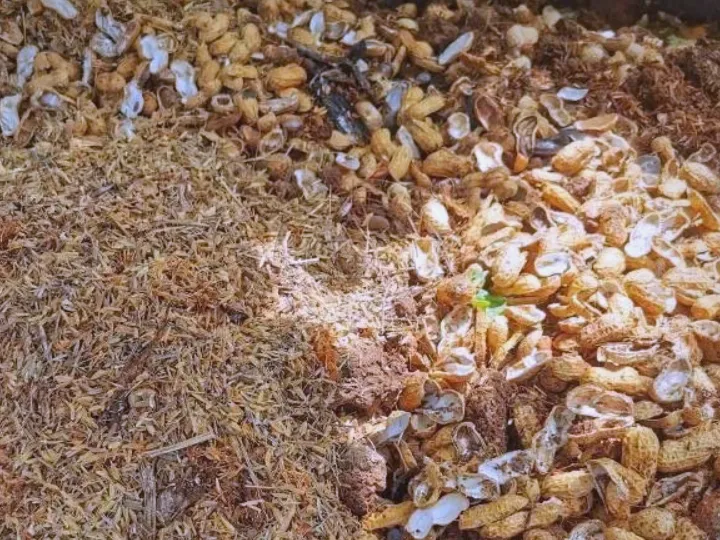
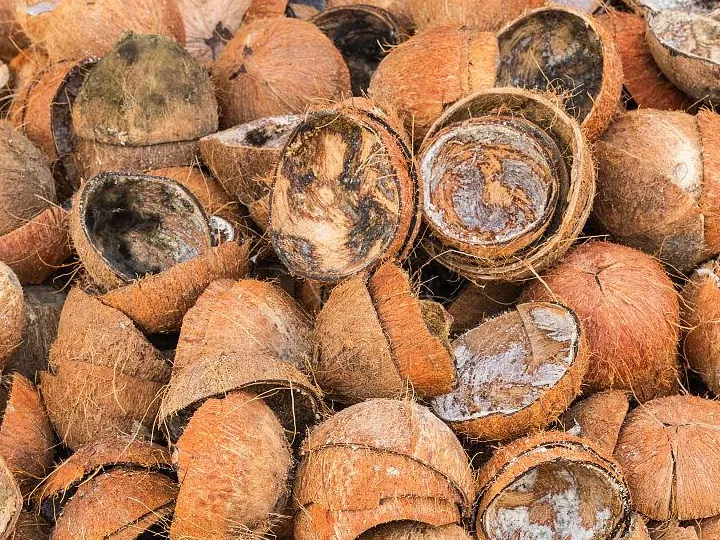
One rule decides everything else: material larger than 50 mm must first be chipped and ground into sawdust finer than 5 mm, and moisture must be controlled below about 12% before briquetting. The production line is engineered around these two requirements — which is why a complete line, not a single machine, is the reliable path to consistent charcoal quality.
The same line also adapts to specific feedstocks. Configured around dense hard shells, it works as a coconut shell charcoal making machine that produces extra-hard, long-burning charcoal; built around agricultural residues, it becomes a rice husk charcoal making machine that converts one of the cheapest wastes on earth into saleable fuel. The process stays the same — only the crushing and drying setup changes.
How Does the Charcoal Production Line Work?
The full process runs through five stages. Each machine below is available separately, but they are engineered to work as one continuous system.
Stage 1: Drum Wood Chipper — From Logs to Wood Chips
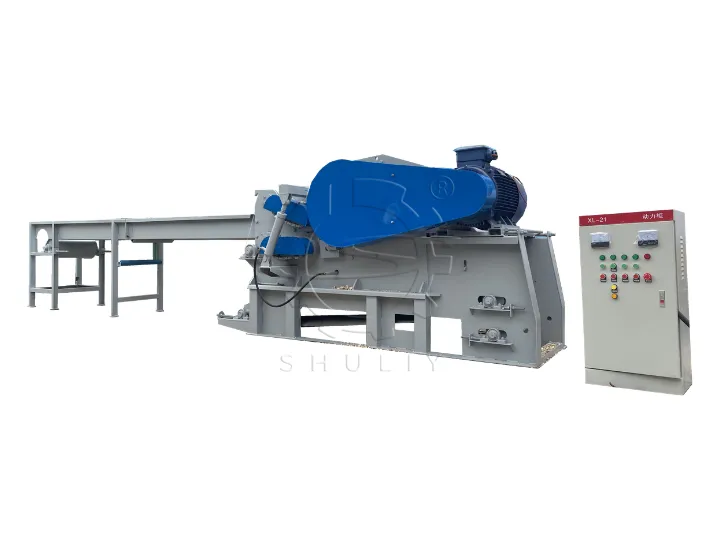
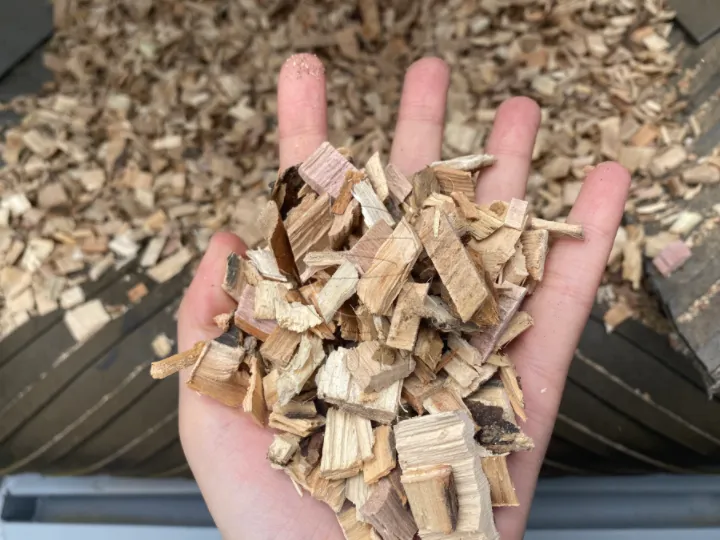
Logs and thick branches (up to 230–500 mm in diameter, depending on model) are fed into the drum wood chipper, where a rotor-mounted blade system cuts them into chips of around 25 mm — adjustable to match your downstream equipment. With capacities from 5–8 t/h up to 10–15 t/h, the chipper sets the pace for the whole charcoal making machine line. A hydraulic-opened crushing chamber makes blade replacement a routine job instead of a day’s downtime, and a reversing feed conveyor protects the machine when oversized wood enters the throat.
Stage 2: Hammer Mill — From Wood Chips to Fine Sawdust
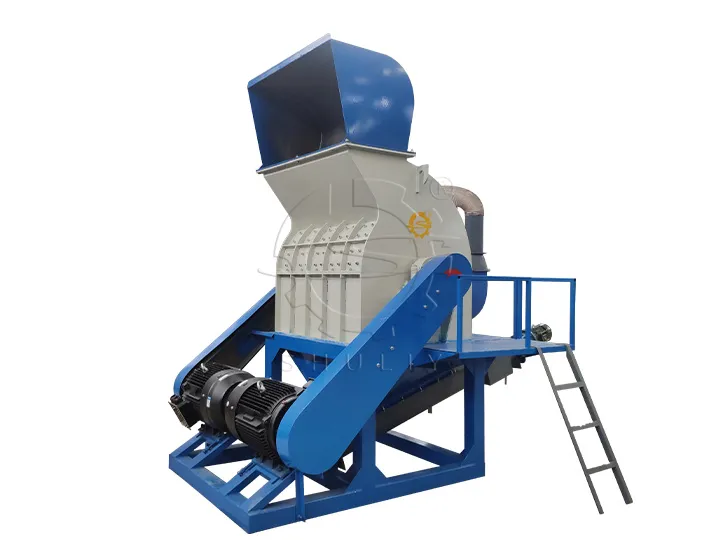
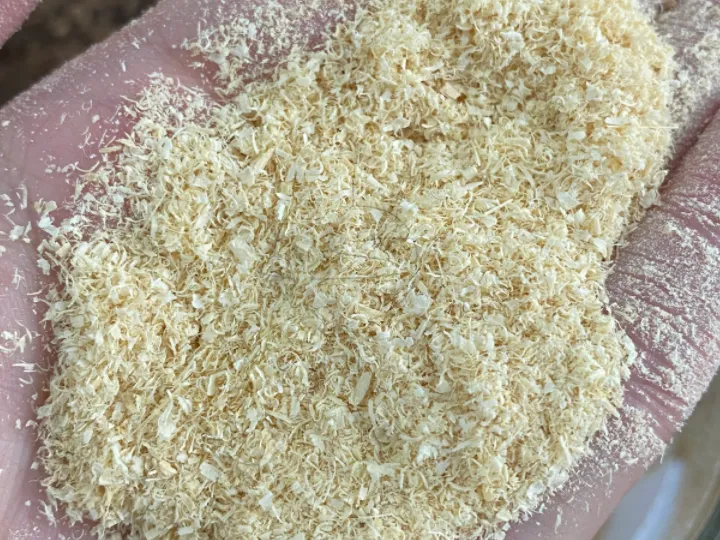
The chips then pass through the large hammer mill, which grinds them into sawdust of 3–5 mm — the particle size the briquette machine needs. This grinding step is what separates a professional charcoal making machine line from improvised setups, because rod quality is decided here long before carbonization. Details that matter for a plant running 8+ hours a day:
- A 10,000-gauss built-in magnet traps nails, wire, and other metal debris before it can damage the hammers — a small feature that prevents the most common cause of unplanned stoppages.
- Thickened alloy hammers, tooth plates, and screens are the only real wear parts, and they are designed for long service life and quick replacement.
- Dual-motor drive delivers strong throughput with low energy consumption per ton.
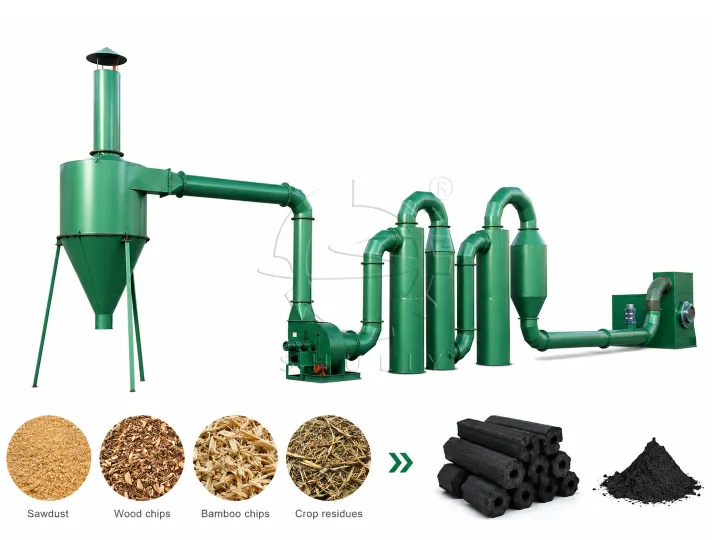
Stage 3: Rotary Dryer — Controlling Moisture Before It Costs You Money
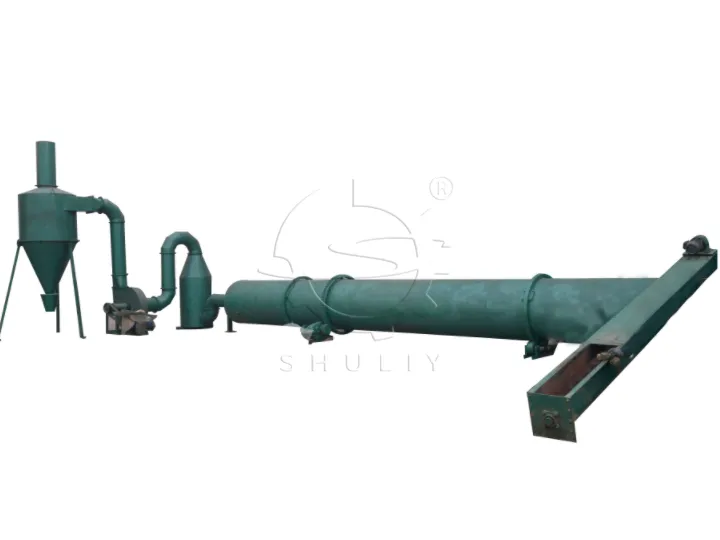
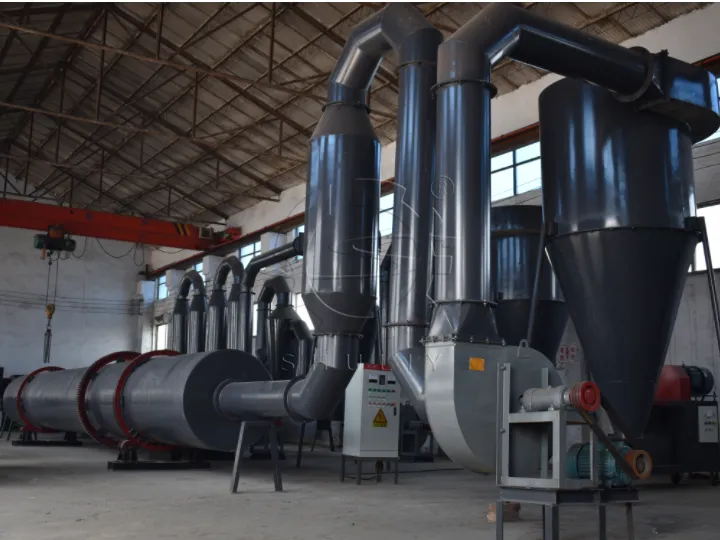
Fresh biomass typically carries 30–45% moisture. If briquetted wet, rods crack and collapse in the furnace; if too dry, they bind poorly. The rotary drum dryer, paired with a hot-blast stove, brings moisture down steadily to 8–12%. Inside the sloped, rotating drum, lifting plates shower the material through the hot air stream for even, gentle drying, and a cooling section brings the sawdust down to a safe temperature before forming. Consistent moisture at this stage of the charcoal production line is what makes every later stage predictable.
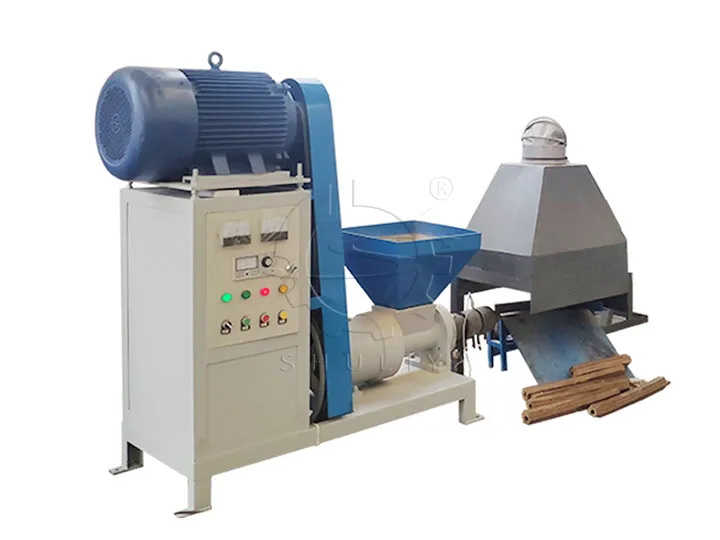
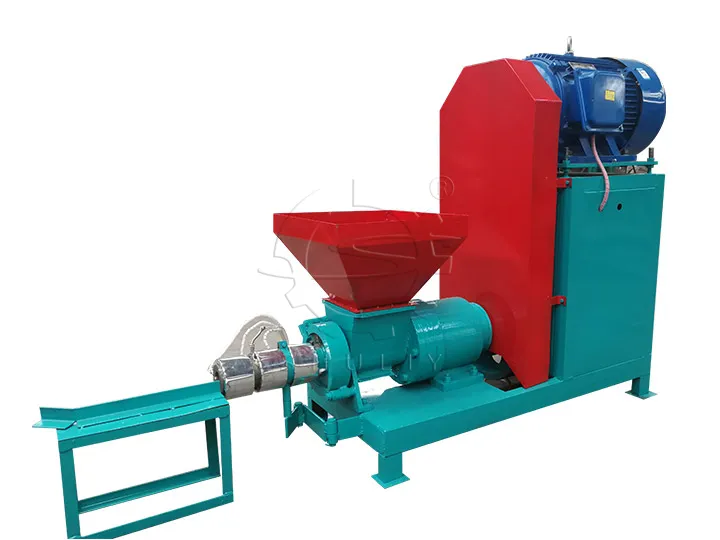
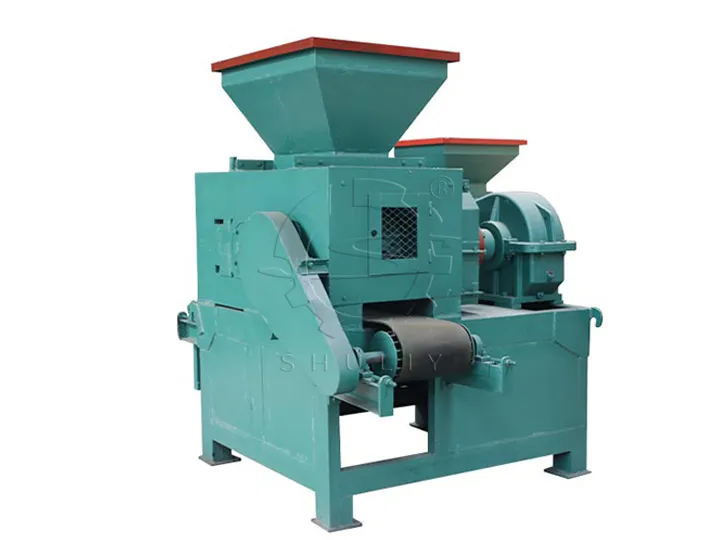
Stage 4: Sawdust Briquette Machine — Forming Rods Without Any Additive
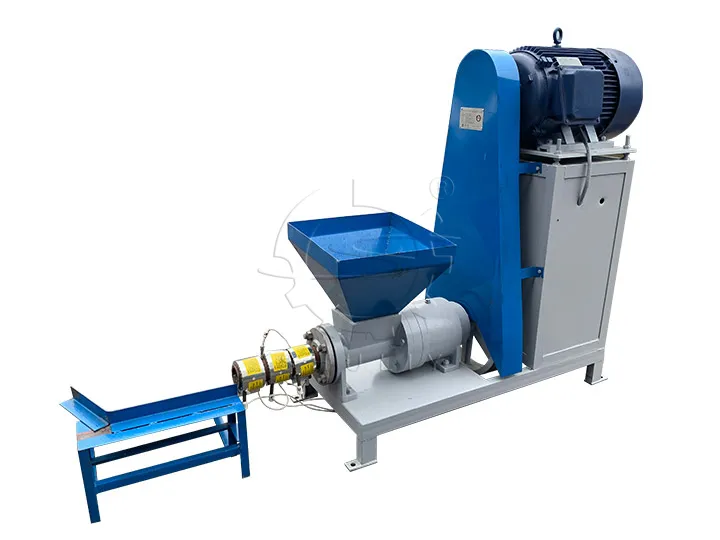
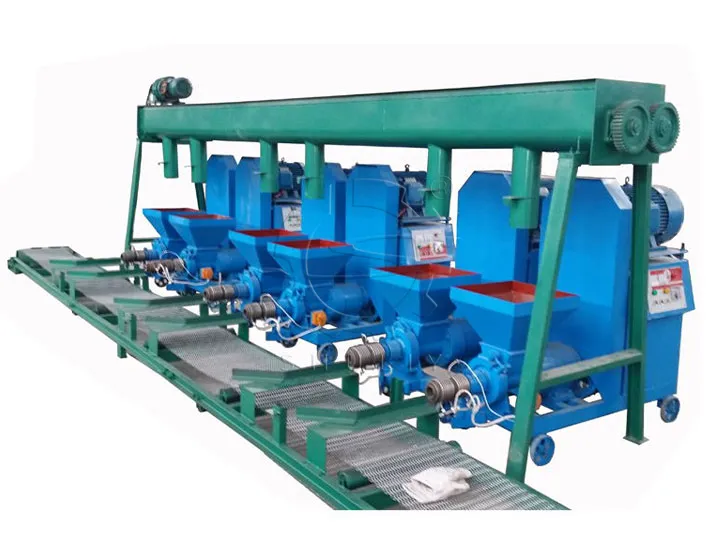
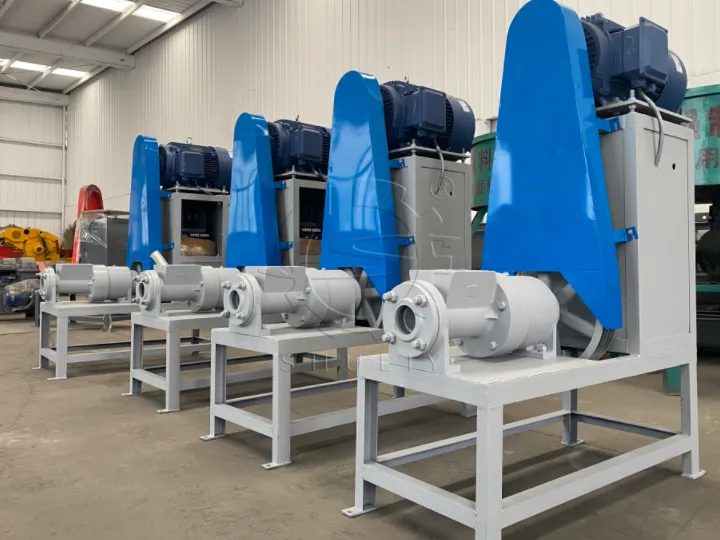
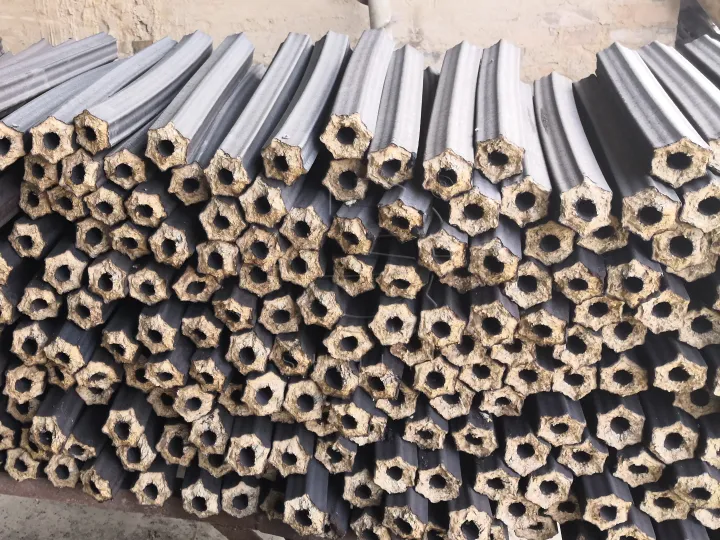
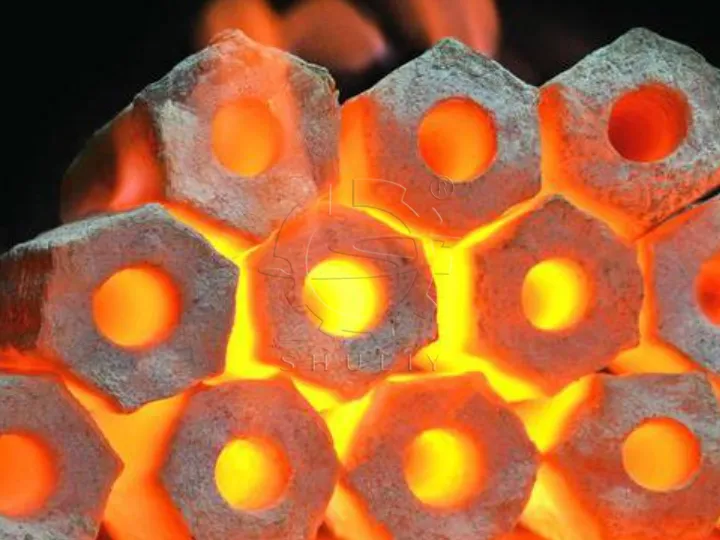
The prepared sawdust is screw-fed into the charcoal briquette machine — the forming heart of every charcoal maker machine line. Heat and pressure plasticize the wood’s natural lignin, so no chemical binder is needed. The result is a dense, regular hexagonal rod (density about 1.0–1.3 t/m³) with a central hole that speeds up carbonization and combustion. Rod density at this stage directly determines the hardness and burning time of your final charcoal, so the machine allows fine adjustment of compactness to match your market: hard, long-burning charcoal for restaurants, or faster-igniting rods for retail BBQ packs.
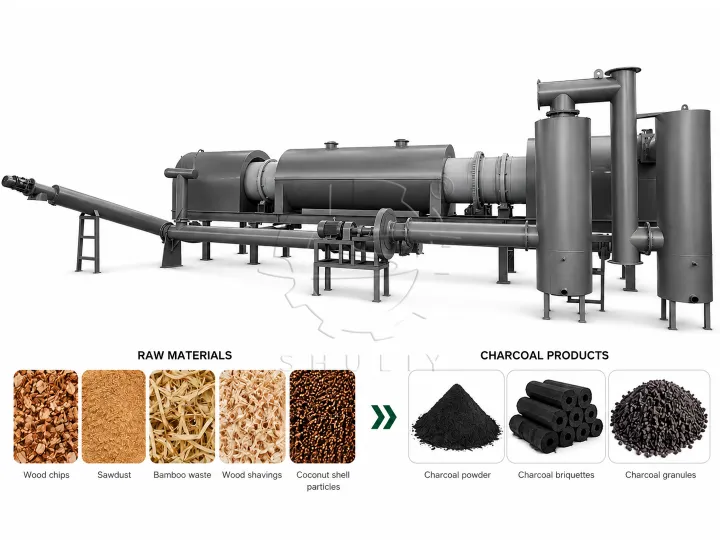
Stage 5: Hoisting Carbonization Furnace — Where Gas Fuels Itself
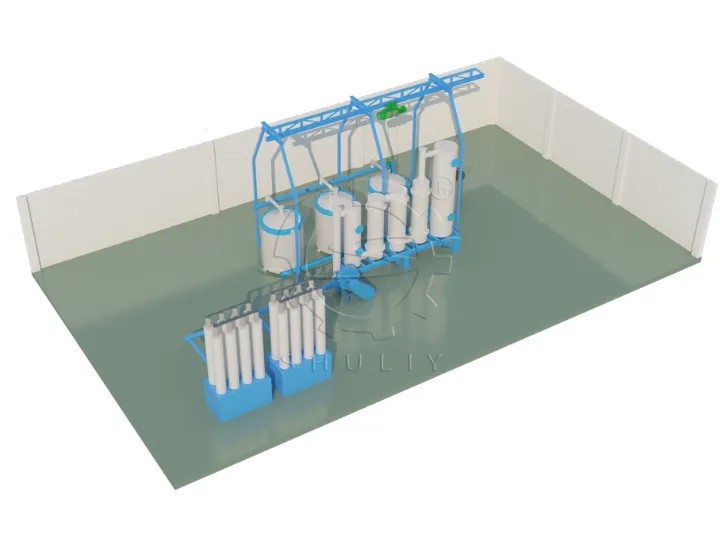
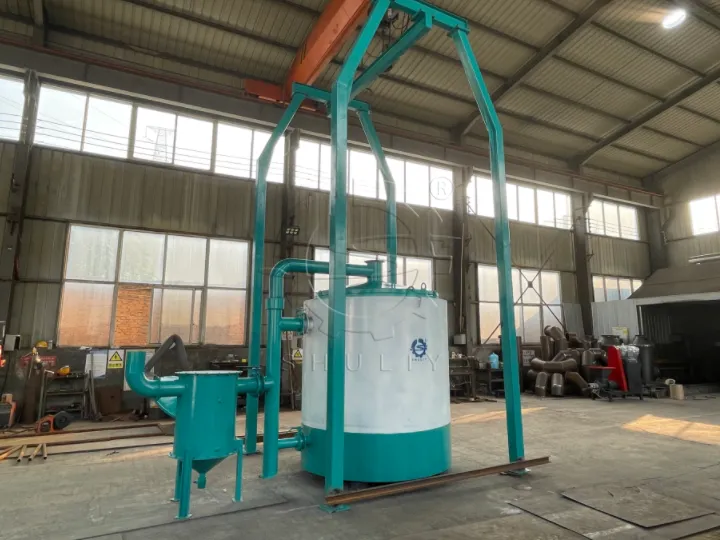
The biomass rods are carbonized in the hoisting (lift-type) carbonization furnace, a vertical kiln using airflow carbonization with gas recirculation. The temperature curve is managed in stages:
- Ignition (< 90°C): waste wood or a burner brings the furnace up to temperature.
- Drying (90–150°C, about 6 h): residual moisture in the rods is driven off over a gentle fire.
- Pyrolysis (150–280°C): the rods release combustible gas as their structure breaks down.
- Self-sustaining carbonization (280°C and above): the released carbon-monoxide-rich gas is routed through the circulation piping and burned to heat the furnace itself — from this point, roughly an hour in, no external fuel is needed. Interior temperature can reach up to 500°C for a full, hard cure.
A full cycle takes about 14 hours of carbonization plus 10 hours of cooling — but here is the design feature that makes it commercially viable: the furnace uses exchangeable inner tanks moved by an overhead hoist (rated above 2 tons). While one tank cools, the next loaded tank goes straight into the outer shell, so production continues with minimal idle time. This is what turns a batch kiln into a true charcoal manufacturing machine for continuous industrial output. Furnace models are named by inner-tank diameter (1000 / 1300 / 1500 mm), yielding roughly 300–1000 kg of charcoal per batch. Exhaust smoke passes through a purification tank before release, and for markets with strict emission requirements, a biomass-pellet burner can be added.
Connecting Equipment
Belt conveyors move logs and chips between the size-reduction machines; sealed screw conveyors transfer sawdust to the dryer and briquette machines; and a mesh-belt conveyor handles hot finished briquettes out of the furnace. Together, these conveyors link the five machines into one continuous charcoal making machine line. Dust hoods and electrostatic purification units are recommended where environmental compliance is strict.
What Does the Final Charcoal Look Like?
Quality you can build a brand around — because every rod leaving a well-configured charcoal making machine line has the same density and moisture history:
| Indicator | Typical value |
| Fixed carbon content | 80–85% |
| Calorific value | 7,000–8,000 kcal/kg |
| Burning time | 3–4 hours (high-temperature charcoal) |
| Moisture | 4–5% |
| Density | 1.0–1.3 t/m³ |
| Smoke & odor | Minimal when ignited |
Hardwood- and bamboo-based rods produce denser, longer-burning charcoal that commands the best price; low-temperature carbonization yields lighter, quick-igniting charcoal suited to retail BBQ. Two useful by-products — wood tar and wood vinegar — condense naturally from the exhaust and can be collected and sold.
Where Does the Charcoal Sell?
Charcoal from a reliable charcoal making machine sells in four main markets:
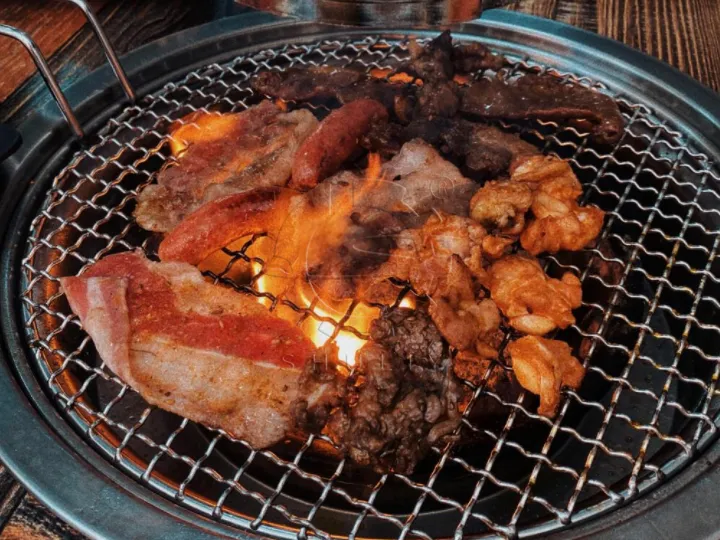
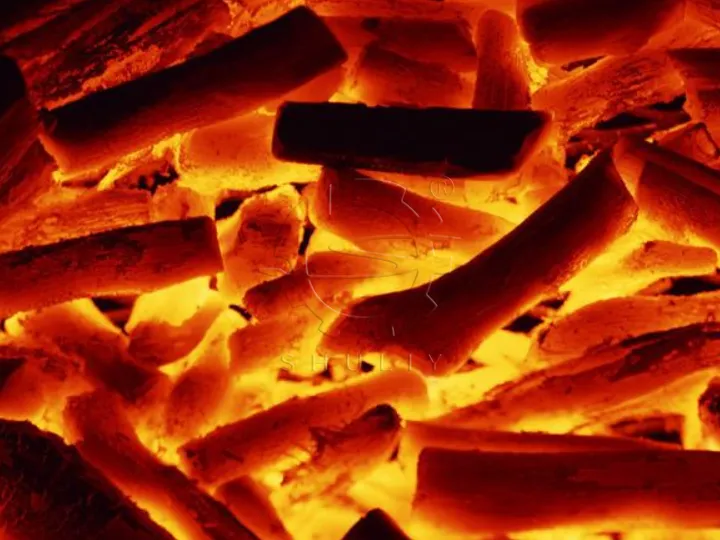
- Household & commercial fuel: BBQ charcoal for restaurants and retail packs; clean fuel for fireplaces in Europe and North America.
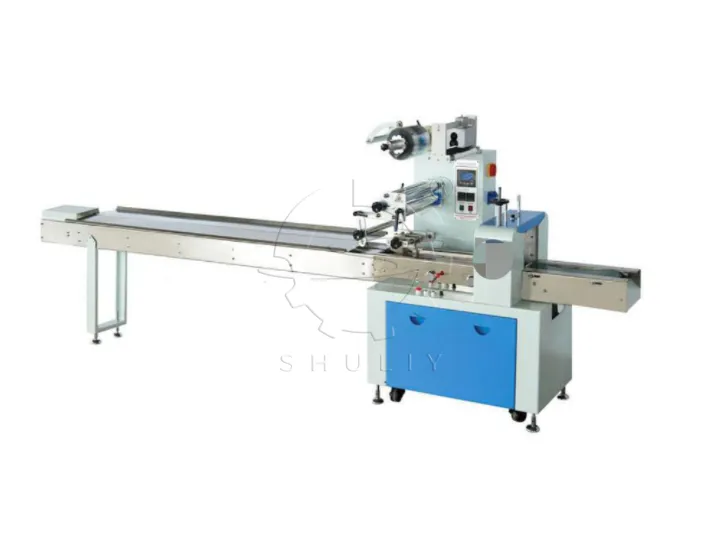
- Retail & export trade: the regular shape and clean burn of machine-made charcoal make it easy to brand, pack, and ship at attractive margins.
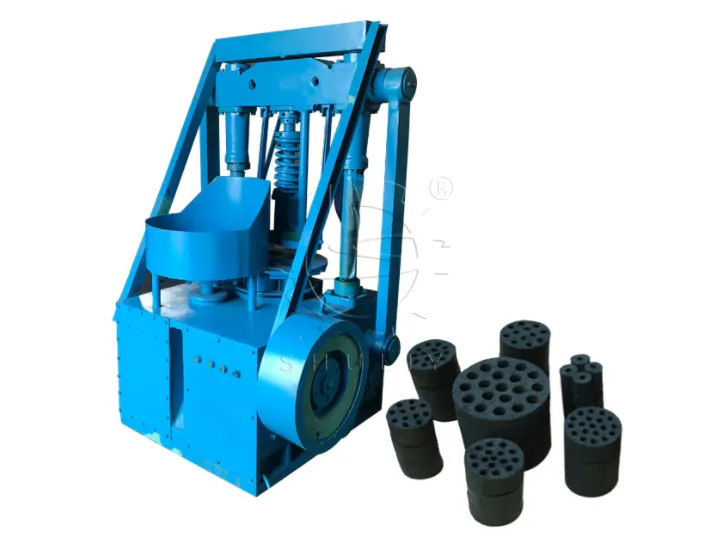
- Industrial uses: reducing agent in metallurgy, feedstock for activated carbon, and raw material for chemical products.
- Agriculture: crushed charcoal powder works as a soil conditioner, improving water retention and germination.
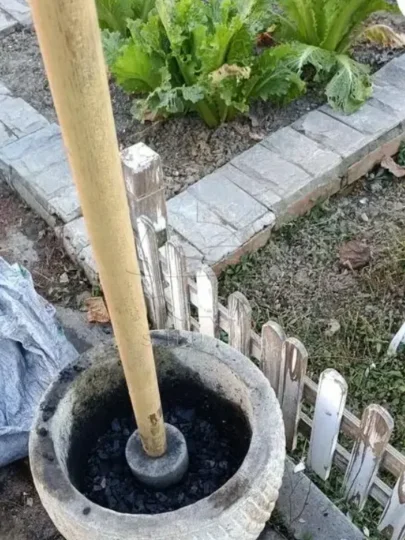
Setting Up Your Charcoal Making Plant: Typical Configurations by Daily Output
| Daily output | Fit for | |
| ~2 t/d | Startups, first charcoal plant | Compact footprint, low entry investment |
| ~5 t/d | Growing plants with stable material supply | The most popular export configuration |
| ~10 t/d | Established processors, industrial scale | Higher automation, multiple briquette machines |
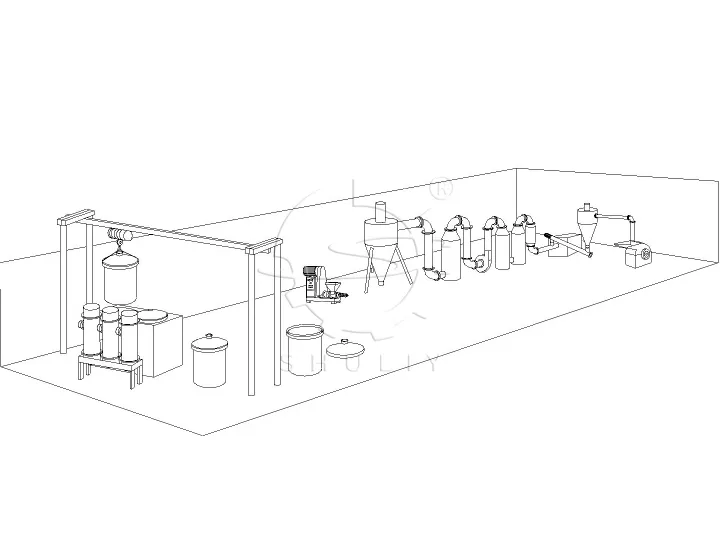
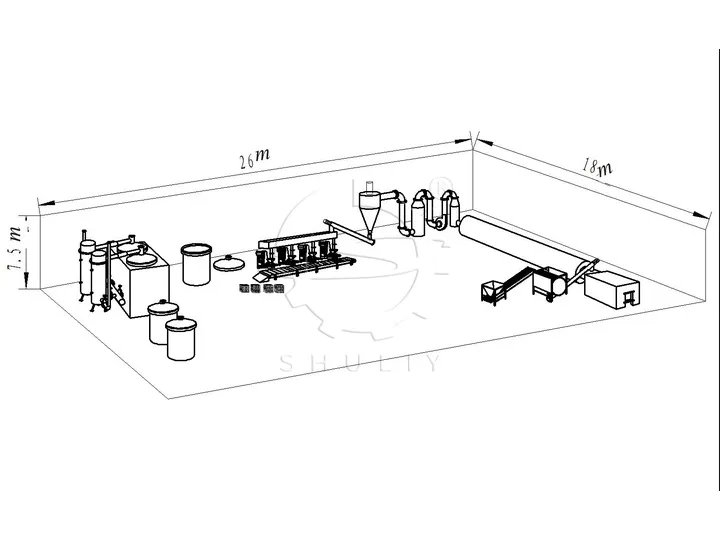
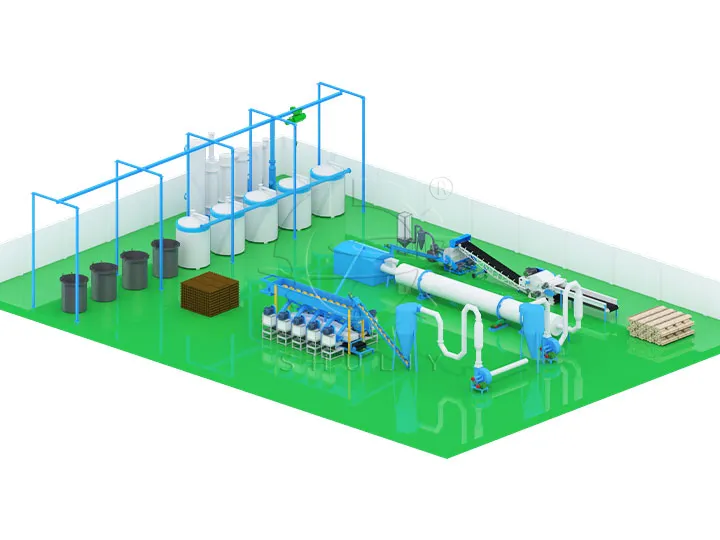
A minimum site of about 50 m² with 4 m headroom is recommended; we provide factory layout drawings for your charcoal making machine installation based on your actual space.
Why Buy from Shuliy
- Manufacturer, not dealer. Factory-direct pricing, and every charcoal processing machine in the line is built in our own workshop — you are welcome to visit and test-run the machines.
- Free raw-material testing. Send us your sawdust, husk, or shell samples — we run them on our own charcoal making machines and send back the test video before you commit.
- Export experience. Lines delivered to Southeast Asia, the Middle East and Africa, including complete 2 t/d and 5 t/d plants in Myanmar, Lebanon and Guinea.
- Full-service delivery: project and process design, layout drawings, installation guidance (online video or on-site engineers), operator training, a 12-month warranty with lifetime support.
FAQ
1. What fuel does the carbonization furnace use?
Waste wood or other flammable material to start; after the gas-recirculation system ignites (about one hour), the furnace sustains itself on the gas released by the material. A wood-pellet burner can be fitted for cleaner operation.
2. Will a charcoal making machine plant cause smoke pollution?
The furnace is equipped with a smoke-purification tank, and optional high-voltage electrostatic or water-spray purification handles strict environmental requirements.
3. Why does the weight drop so much after carbonization (3–4 tons of raw material to 1 ton of charcoal)?
Water and volatile components evaporate during pyrolysis while the remaining lignin and cellulose fuse into concentrated carbon — the mass loss is exactly why the output is so energy-dense.
4. Are there by-products?
Yes — small amounts of wood tar and wood vinegar, collected from the condensed exhaust, both have commercial buyers.
5. Can I make activated charcoal with this line?
This line produces fuel and BBQ-grade charcoal. Activated carbon requires a separate activation process and dedicated equipment.
6. Is the hoist automatic?
Yes. The hoist lifts the loaded inner tank into the outer furnace shell and swaps tanks automatically during operation.
7. How much does a charcoal making machine cost?
Charcoal making machine price depends on your raw material, target daily output, and configuration — a 2 t/d startup line and a 10 t/d industrial plant are different investments. Share your material and capacity target, and we will send a detailed quotation with a recommended configuration within 24 hours.
Get Your Free Charcoal Making Machine Project Plan
Tell us two things — your raw material Und your target daily output — and our engineers will send back a recommended charcoal making machine configuration, layout drawing, and quotation within 24 hours. Complete lines and single machines are both available.