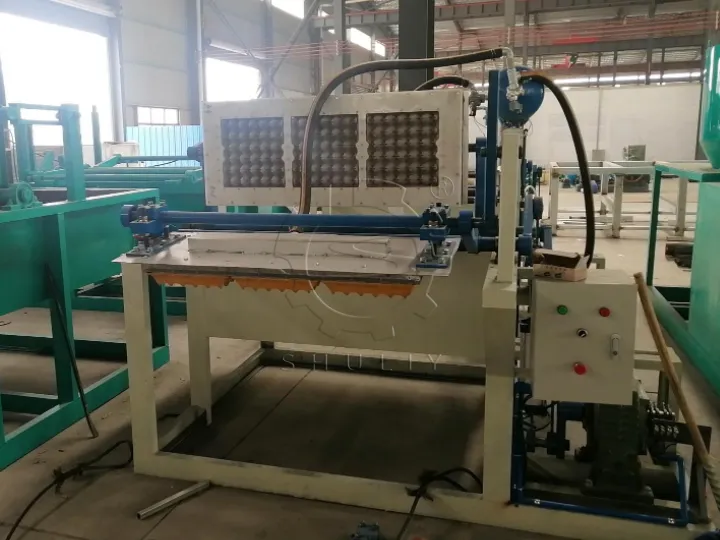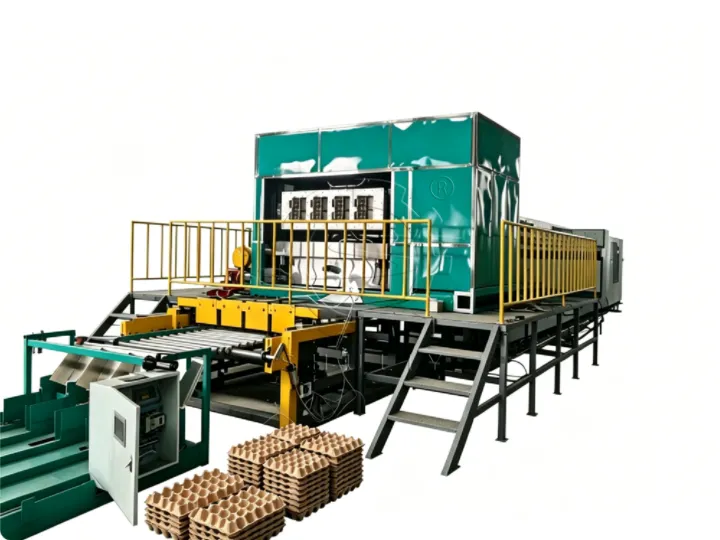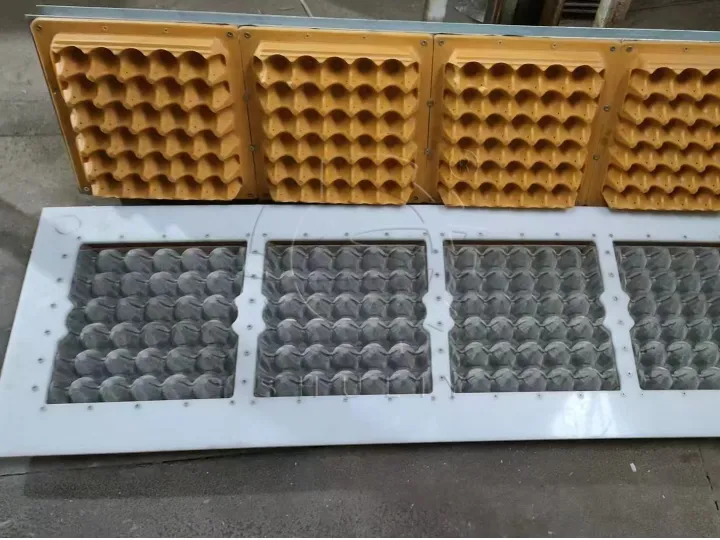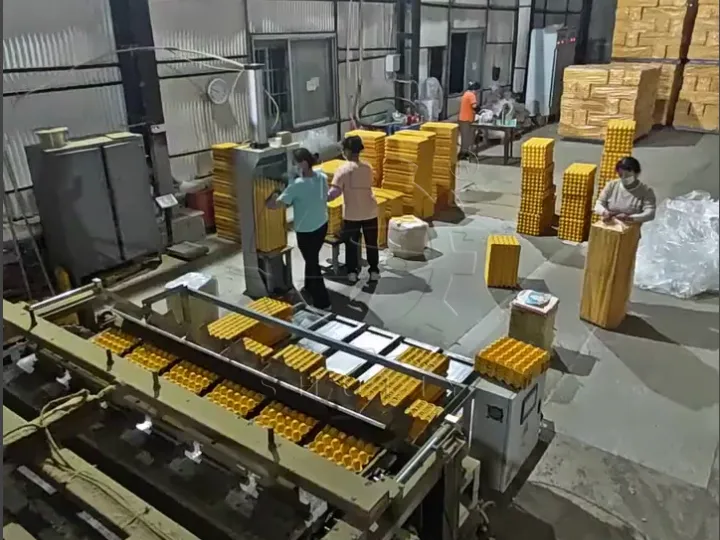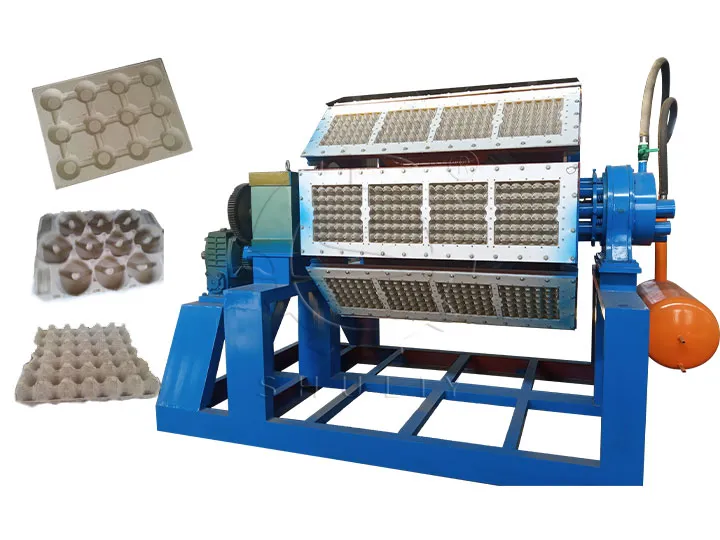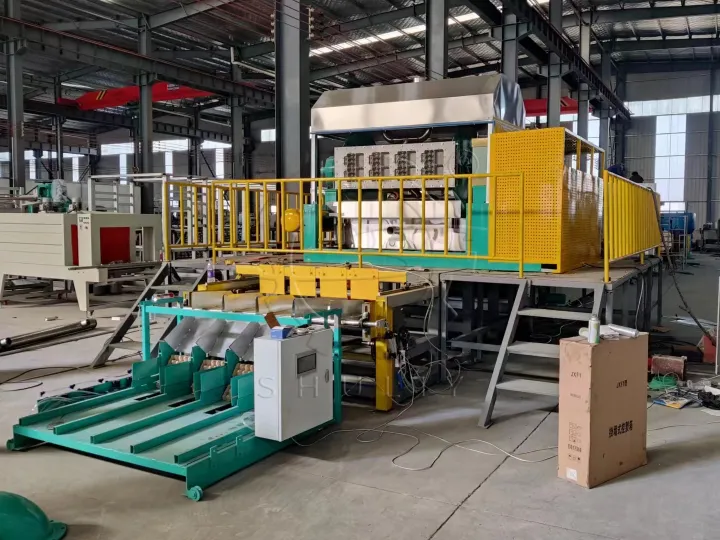
An egg tray mold is one of the most important components in a paper egg tray production line. It determines the shape, size, and surface quality of the finished trays, directly affecting product consistency and production efficiency.
If you are planning to start or expand an egg tray manufacturing business, choosing the right egg tray mold can help reduce production problems and control operating costs. This guide explains the main mold types, material options, customization choices, and key factors to consider before placing an order.
1. What Is an Egg Tray Mold?
An egg tray mold is a forming tool used to shape recycled paper pulp into egg trays or other molded pulp packaging products.
During production, prepared pulp is distributed over the mold surface through a vacuum forming process. Water is removed, leaving a wet tray that follows the mold’s shape. The tray is then transferred for drying and further handling.
A suitable egg tray mold should provide:
- Consistent tray dimensions and egg compartments
- Good pulp distribution and drainage
- Easy release of formed trays
- Reliable performance during repeated production cycles
The mold design should match both your finished product and your egg tray making machine.
2. Types of Egg Tray Mold Materials
The two common options for an egg tray mold are plastic and aluminum. The right choice depends on your production volume, product requirements, and budget.
Plastic Egg Tray Mold
A plastic egg tray mold is often considered by businesses looking for a practical, budget-conscious option.
Its main advantages include:
- Relatively low initial mold cost
- Lightweight construction
- Suitability for many standard tray designs
- Convenient handling during installation and maintenance
Plastic molds can be a suitable choice for smaller production projects or businesses that want to begin with standard egg tray products.
However, actual service life and forming performance depend on the plastic material, mold construction, operating conditions, and maintenance practices.
Aluminum Egg Tray Mold
An aluminum egg tray mold is widely used when dimensional consistency, detailed mold design, and long-term production are important.
Potential advantages include:
- Good dimensional stability
- Effective heat transfer during suitable drying or hot-pressing processes
- Precise manufacturing for customized tray designs
- Suitability for demanding production requirements
Aluminum molds generally require a higher initial investment than basic plastic molds. Their value should be assessed against expected production volume, maintenance needs, and total operating cost.
Buying tip: Do not choose an egg tray mold based on material price alone. Compare the expected service life, product quality, machine compatibility, and replacement costs before making a decision.
3. Standard and Custom Egg Tray Mold Designs
Different customers need different tray sizes and packaging formats. A standard egg tray mold is a practical starting point, while a custom egg tray mold offers more flexibility for specific market requirements.
Common options include:
- 30-egg tray mold: For conventional egg collection, storage, and transportation.
- 12-egg carton mold: For retail packaging and smaller quantities.
- 6-egg carton mold: For compact packaging and smaller retail packs.
- Fruit tray mold: For products such as apples and pears.
- Coffee cup carrier mold: For molded pulp beverage holders.
- Protective packaging mold: For selected industrial products that need cushioning during transportation.
The exact design depends on the product’s dimensions, compartment layout, wall thickness, and intended use.
If you need a custom egg tray mold, prepare a product sample, drawing, or clear reference photos. These materials help the manufacturer understand your requirements and confirm whether the design can be produced.
4. How to Choose the Right Egg Tray Mold
Before buying an egg tray mold, check the following factors carefully.
Match the Mold to Your Machine
Not every mold fits every egg tray making machine. The mounting structure, mold dimensions, forming surface, connection points, and transfer arrangement may vary between machine models.
Before ordering, provide the machine model, existing mold dimensions, and clear photos of the installation area. This helps reduce the risk of purchasing an incompatible mold.
Confirm Your Finished Product Size
Determine the number of eggs per tray, overall dimensions, compartment shape, and stacking requirements.
If your customers already use a particular tray design, providing a physical sample is often the most practical way to communicate the required shape and size.
Consider Production Volume
For standard products and modest output requirements, a basic mold configuration may be sufficient. For higher production demand or a wider product range, evaluate mold durability, replacement convenience, and the manufacturer’s ability to supply matching spare parts.
Check Drainage and Forming Quality
The mold surface and drainage structure affect how evenly pulp is distributed and how easily excess water is removed.
Poorly matched mold designs can contribute to uneven walls, weak compartments, or difficult demolding. Correct pulp consistency, vacuum performance, and machine settings are also important for achieving consistent results.
Compare Total Cost, Not Just Purchase Price
The cheapest egg tray mold is not necessarily the most economical choice.
Consider the purchase price, expected service life, maintenance requirements, replacement frequency, and the cost of rejected trays. A mold that produces consistent products and reduces downtime may offer better long-term value.
5. What Affects Egg Tray Mold Price?
The egg tray mold price varies according to several factors:
| Pricing factor | What to check |
|---|---|
| Mold material | Plastic or aluminum |
| Mold design | Standard or customized shape |
| Tray specifications | Dimensions, compartment count, and structure |
| Machine compatibility | Mounting dimensions and machine configuration |
| Order quantity | Number of molds required |
| Additional requirements | Special details, logo, or other design features |
There is no single price that fits every project. For an accurate egg tray mold quotation, provide the intended product design, mold material preference, machine model, and required quantity.
You should also confirm whether the quotation covers the forming mold only or includes matching transfer molds and other necessary components.
6. How to Order a Custom Egg Tray Mold
Working with an experienced egg tray mold manufacturer can make the purchasing process more straightforward.
A typical order involves four steps:
Step 1: Share your requirements. Provide your tray sample, drawing, photos, or product dimensions.
Step 2: Confirm machine compatibility. Share your egg tray making machine model and relevant mold measurements.
Step 3: Review the design and quotation. Confirm the mold material, product specifications, quantity, and other technical details before production.
Step 4: Confirm production and delivery. Ask about the manufacturing lead time, inspection process, packaging, and shipping arrangements.
Clear communication at the beginning helps prevent design misunderstandings and unnecessary delays.
7. Why Choose Shuliy for Your Egg Tray Mold?
Shuliy Machinery supplies egg tray production equipment and supports customers who need mold solutions for different molded pulp products.
When discussing your egg tray mold requirements with Shuliy, you can share your existing machine information, product samples, or drawings so the team can assess the appropriate configuration.
Whether you need a standard 30-egg tray mold or a customized design, confirming the product specifications and machine compatibility before ordering is an important step toward reliable production.
For customers planning to expand their product range, discussing future mold requirements at the same time may also help simplify equipment planning.
Frequently Asked Questions About Egg Tray Molds
1. Can I customize an egg tray mold?
Yes. Depending on the machine configuration and manufacturing feasibility, mold designs can be customized for different tray dimensions, compartment layouts, and molded pulp products. A sample or technical drawing helps confirm the requirements.
2. Which is better, a plastic or aluminum egg tray mold?
Neither material is best for every application. Plastic may suit budget-conscious projects and standard designs, while aluminum may be preferable when dimensional precision and specific production requirements are priorities. Compare the actual specifications before choosing.
3. How much does an egg tray mold cost?
The price depends on material, dimensions, design complexity, order quantity, and machine compatibility. Send your specifications to the manufacturer to receive a quotation for your project.
4. Can I use a new egg tray mold on my existing machine?
Possibly, but compatibility must be checked first. The mold’s dimensions, mounting points, forming structure, and transfer arrangement need to match your equipment.
5. What information should I provide when requesting a quotation?
Provide your machine model, required tray type, product dimensions or sample, preferred mold material, and order quantity. Photos of your existing mold are also helpful if you are purchasing a replacement.
Get a Quote for Your Egg Tray Mold
Looking for an egg tray mold for sale or planning a customized mold for your production line?
Contact Shuliy Machinery with your machine model, tray design, and production requirements. Our team can review your information and help you identify a suitable mold solution for your project.
Send us your requirements today to discuss mold options and request a quotation.